4 min read

Future Skills in the World of Work 4.0 – What Companies Need to Focus on Now
The world of work is changing fundamentally. Digitalisation, automation, new technologies and a growing need for flexibility are challenging companies – and changing what is expected of employees. In an environment like this, traditional specialist knowledge alone is no longer enough. What is needed are competencies that go beyond pure "know-how" – so-called future skills.
These future competencies help people stay able to act in complex, fast-changing situations, actively shape innovation and promote sustainable company development.
What Are Future Skills?
Future skills describe competencies that enable people to learn independently, deal with uncertainty, take responsibility and develop new solutions – even in previously unknown situations. They combine digital, social, personal and technological abilities, and therefore stand for a modern, forward-looking understanding of competence.
The Four Key Competency Areas
- Digital key competencies
In a digitalised world of work, skills such as data literacy, digital learning, virtual collaboration and the responsible use of digital technologies are essential. Employees need not only to be able to operate tools, but also to understand how digital processes work – and how they can be sensibly integrated into everyday work.
- Classic competencies
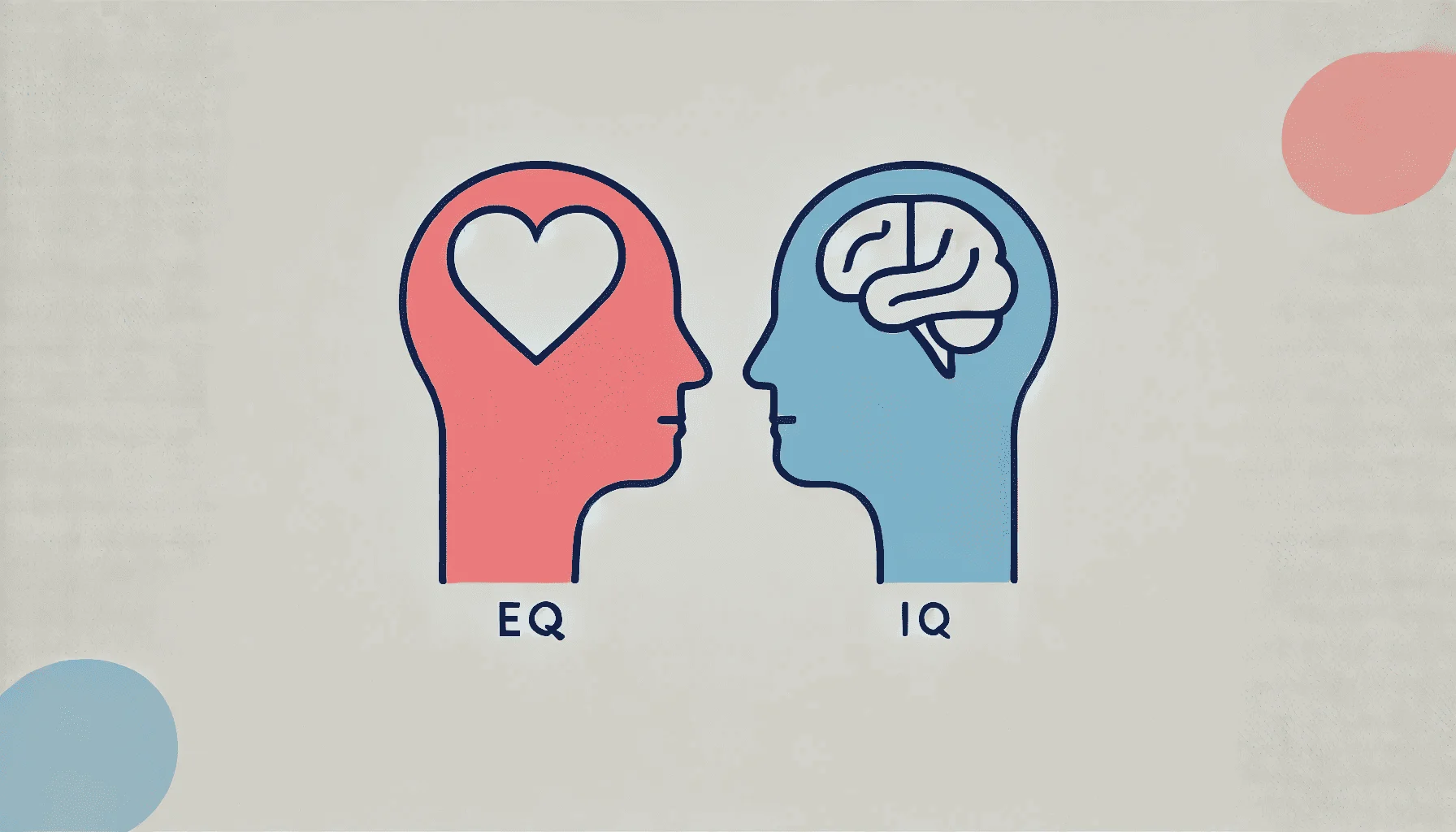
Creativity, personal responsibility, resilience and intercultural communication are not soft skills that count as nice-to-haves. They are business-critical prerequisites for successful teamwork and initiative. Anyone who thinks and acts entrepreneurially, organises themselves well and can handle different perspectives is able to respond flexibly to new requirements.
- Transformative competencies
The ability to actively shape change is becoming ever more important for companies. Employees should have good judgement, be open to new things and be able to contribute constructively to transformation processes. Especially in dynamic markets, innovative spirit, the ability to engage in dialogue and the courage to question familiar ways of thinking are needed.
- Technological competencies
A basic understanding of technological developments is no longer reserved for IT specialists. Topics such as artificial intelligence, data analysis or user-centred design are becoming relevant in more and more roles. Employees who can recognise technological connections and apply them sensibly bring real added value to the company.
Future Skills and Artificial Intelligence
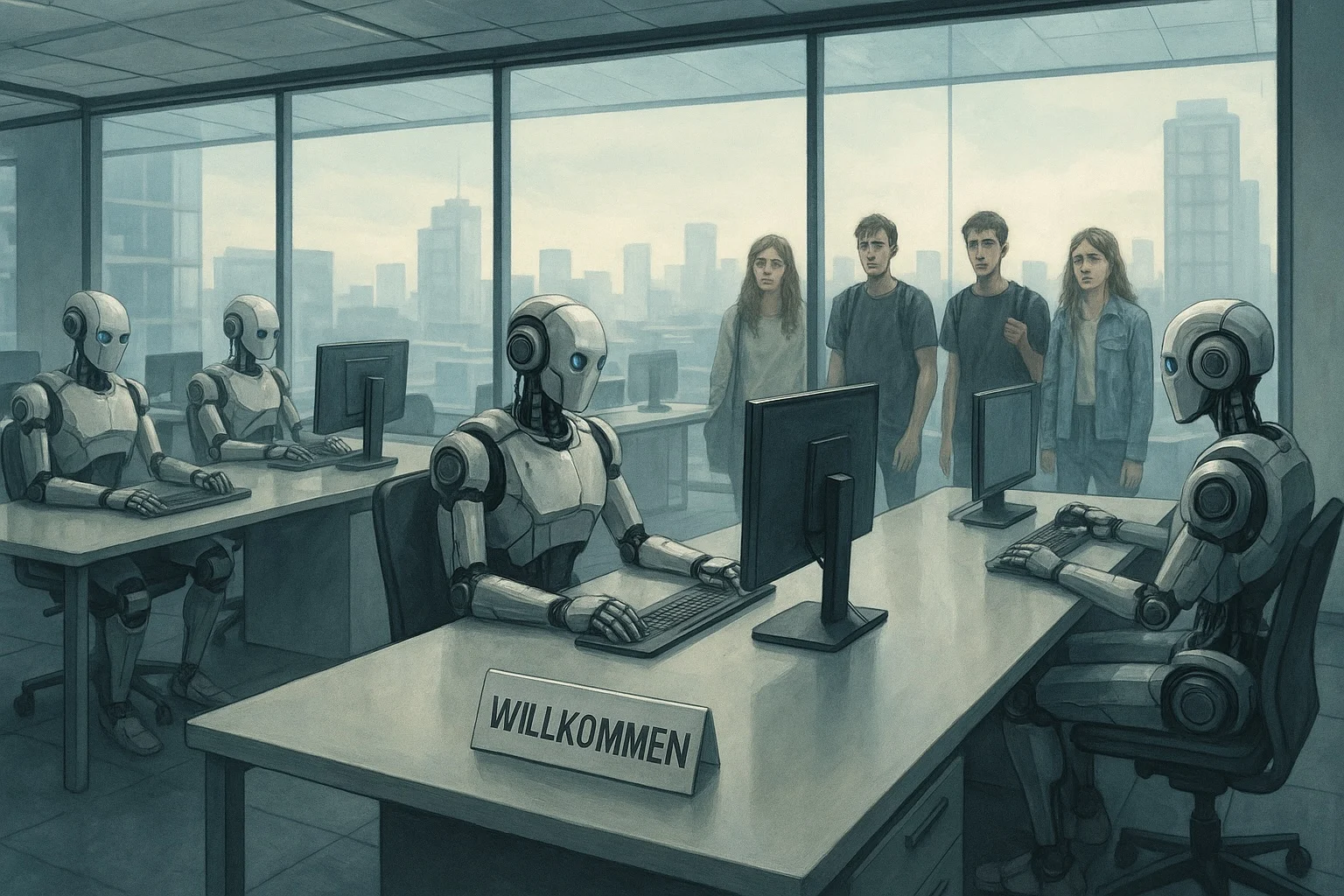
Hardly any technological development is currently changing the world of work as much as artificial intelligence. Applications such as automated analyses, language models or virtual assistants are finding their way not only into IT, but also into areas such as marketing, HR, sales and production. This is increasing the need for competencies that enable the confident and responsible use of AI – including beyond traditional expert roles.
Future skills in the context of AI involve more than technical understanding. They are equally about the ability to critically question digital systems, recognise ethical implications, integrate AI sensibly into everyday work and open up new possibilities for action together with others.
Three competency areas are particularly relevant:
- Employees should be able not only to use AI tools, but also to assess their possibilities and limits realistically. This includes a basic understanding of how data-based decisions come about – and where human judgement remains indispensable.
- On a personal level, it is important to act with self-assurance in an environment shaped by AI and to see technological developments as an opportunity for growth rather than as a threat. Competencies such as critical thinking, decisiveness and digital self-competence gain weight as a result.
- Finally, teamwork and communication skills are needed when dealing with AI systems: not only in interdisciplinary project teams, but also in exchanges with stakeholders and customers. After all, AI changes not only processes – but also the way we work together.
For companies, this results in a clear call to action: AI competencies must be actively promoted and built into competency models, training offerings and personnel selection. Only with the right skill set can new technologies be used sensibly, responsibly and successfully.
Why Future Skills Are Crucial for Companies
Future skills are not a trend, but a strategic necessity for companies that want to remain competitive in the long term. They not only strengthen the innovative capacity of existing teams, but also play a central role in selecting new talent. In a constantly changing world of work, what matters is not only a person's career to date, but above all their ability to deal with change, take on responsibility and keep developing. A holistic view of competency development is decisive here – with modern learning formats, lived learning spaces and a leadership culture that actively supports development. In our day-to-day recruitment business at CareerPeakr, we deliberately look for these future-relevant competencies – because they make the difference between a short-term placement and a lasting reinforcement of the company.
Sources:
Drewes, S. & Hägerbäumer, M. (2025). Future Skills in der Arbeitswelt 4.0. In M. Hägerbäumer, U. Thelen & A. Renz (Eds.), Future Skills in Human Resource Management und Corporate Learning Neue Perspektiven durch Analytics, EdTech und KI (3-30). Wiesbaden: Springer Gabler.